
You can’t be a victim AND build momentum - So pick one

In this post:
- Why “victim mode” feels like real life (and why that’s exactly the problem)
- The subtle shift from “this is hard” to “there’s nothing I can do”
- Real examples of how staying stuck shows up (including a few of mine 🙈)
- The difference between genuine challenges and the stories we attach to them
- How to recognise when your thinking is keeping you stuck
- What getting proactive actually looks like in a busy, real-world practice
- A simple way to take back control and start building momentum again
Upfront honesty: I use AI to help me research and write my blog posts. I'm not going to pretend (like many) that I don't. It saves me time and means I can create more detailed, well-referenced content in much less time than my dyslexic brain on it's own would allow me to do. The result? I believe higher quality content delivered more efficiently - I hope you agree 👍🏼
OK I'm from Yorkshire so we are going to start with some frank honesty.
You can’t be a victim and build momentum in your practice at the same time. You have to pick one.
Stay stuck OR get creative!
I know that sounds a bit blunt. Possibly even unfair because . . . because . . . . but before you make excuses or switch off, stay with me, because I'm honestly here to help, not to make you feel bad. I want you to understand one of the biggest reasons practice owners stay stuck for far longer than they need to.
The victim mode trap that looks like “real life”
Most of the thoughts that keep any of us stuck in any given situation don’t sound dramatic. They sound sensible. Rational, even.
You might recognise some of these:
- “I’d market my practice more, but I’m in a saturated area.”
- “I’d charge more, but patients here won't pay more.”
- “People in my profession would think I'm bragging if I say I'm great at what I do"
- “I’d be more visible online, but the algorithm is against me.”
- “I’d post more, but I’m too busy seeing patients.”
- "What's the point on planning to expand when the economy is struggling"
The tricky part is that some of these may well be true. You might genuinely be in a competitive area. Patients might be more price-sensitive. You might be busy and stretched. But when those truths turn into conclusions about what is or isn’t possible for you, that’s when they quietly become a trap.
Because the moment you move from “this is difficult” to “there’s nothing I can do about this,” you hand over control. And when everything important sits outside your control, momentum becomes almost impossible to build.
I’ve done this too (more times than I’d like to admit - but I'm going to 🫣)
Before this starts to sound like a lecture, let me be very clear. I’ve had plenty of my own victim-mode moments over the years, and at the time they felt completely justified.

When I was 18 and working on reception in an insurance company, I convinced myself I’d been put there because I was a woman and that was just how things worked. I could have stayed there, quietly annoyed and telling myself there was nothing I could do. Instead, slightly naively and without much appreciation for hierarchy, I told one of the company directors. I got moved the following week. It turned out I wasn’t as stuck as I thought.
A year or so later, I was in a well-paid job (at the same company) and bored out of my mind. The story I told myself was that I should be grateful they had given me a better job and that leaving would be irresponsible. It sounded very grown-up and sensible. But I was REALLY bored so I ignored my own logic, applied to be a ski instructor in Switzerland ⛷️ (yup crazy right!!), but I got the job and left anyway. Not the most conventional decision, but it did remind me that I always had more choice than I was giving myself credit for.
Later still, trying to maintain my podiatry career trajectory while moving every 12 to 24 months as an Army wife, including being overseas, I had a very solid argument for why my career was going no where fast. It genuinely wasn’t an easy set of circumstances. But instead of continuing to fight that reality, I built my own business that worked with it. Not perfectly, but well enough to move forward.
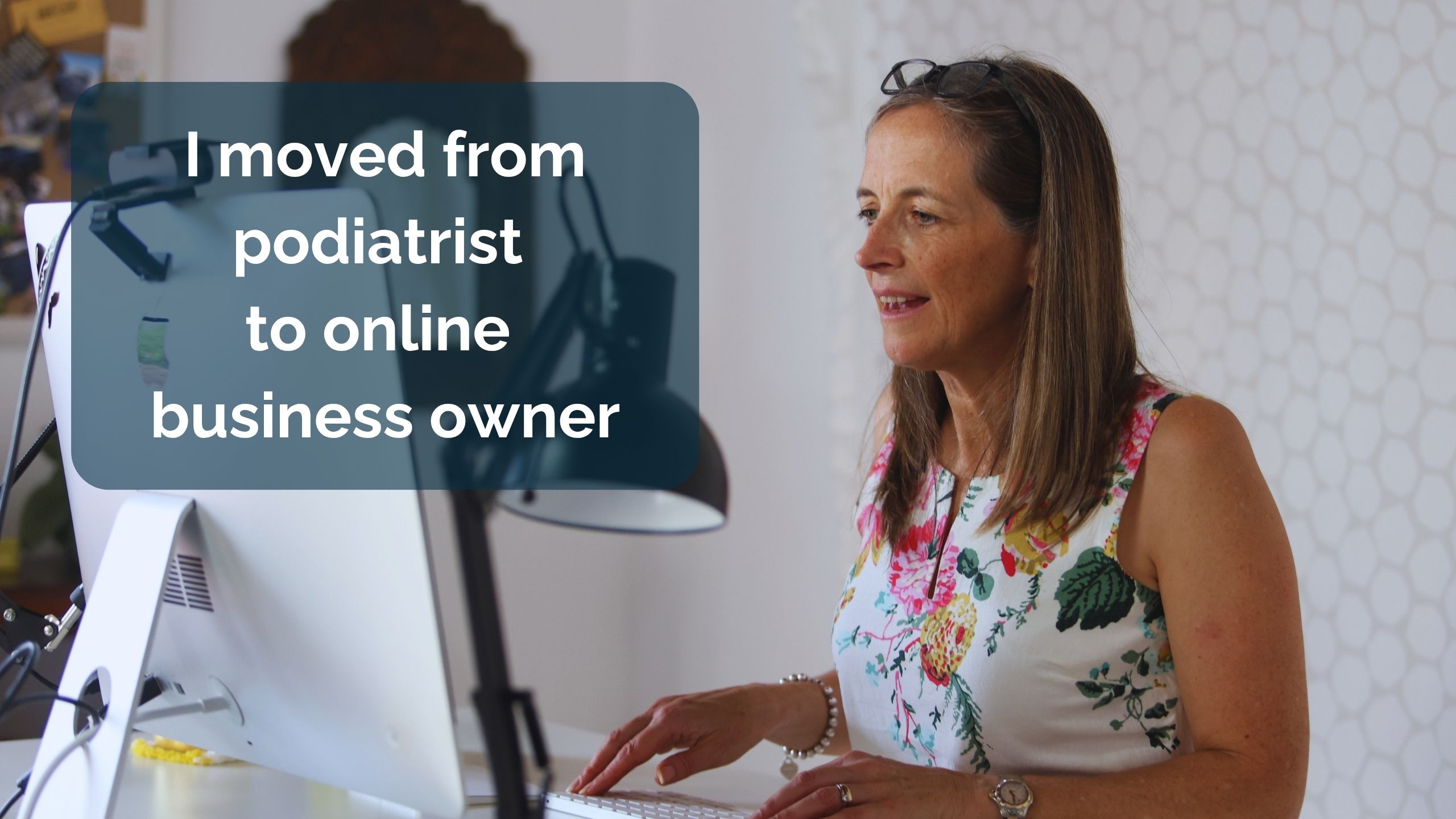
Looking back, the pattern is obvious. Every time I felt stuck, I had a choice. I could stay where I was and keep explaining why things were difficult, or I could take responsibility for what I could control and do something with it.
There is a difference between challenges and victim thinking
This is where I want to be really careful, because this is not about pretending things are easy or ignoring real constraints.
You can have genuine challenges and still not be in victim mode.
Your area might have a high number of practitioners. Patients might be cautious with money. You might feel short on time, energy or confidence. All of that can be true.

When you’re operating from a possibility mindset, you see those things as obstacles to deal with, or even wonderful opportunities. When you’re in victim mode, you treat them as full stops.
A busy, competitive area becomes a reason to sharpen your positioning and communicate your value more clearly. Budget-conscious patients become a reason to get better at explaining outcomes, building a lower cost membership, and attracting the right people. A lack of time becomes a prompt to simplify and focus, get better at using tech, and not a reason to stop altogether.
The external situation might be the same in both cases, but the internal response is what determines whether anything changes for you.
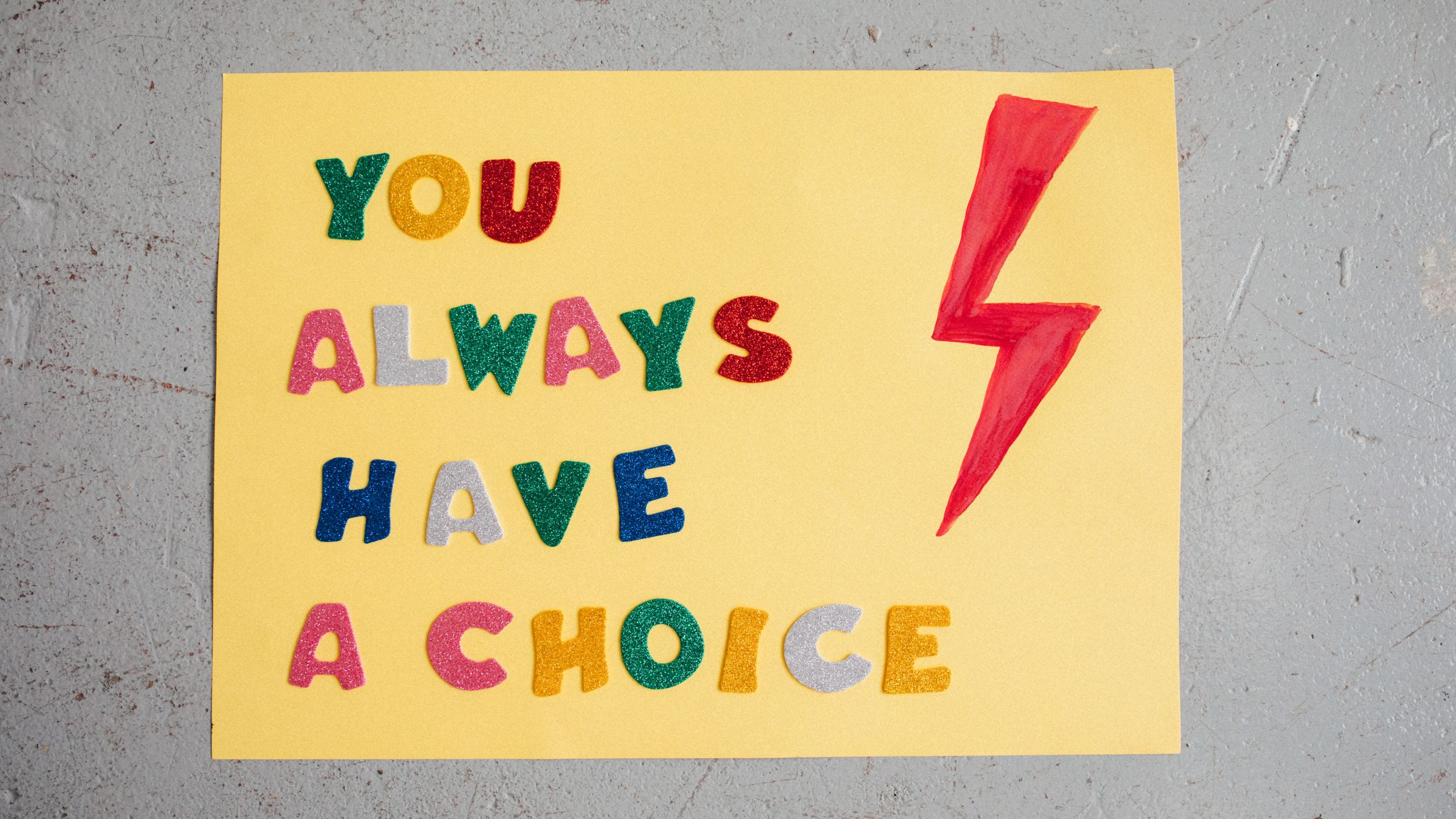
How to spot when you’ve slipped into victim mode
Most people don’t consciously decide to think this way. It creeps in quietly, which is why you need to catch it early.
There are a few common habits that you might have drifted into it:
- You find yourself listing reasons why things won’t work far more easily than coming up with ways they might
- You keep waiting for a better time to start, but that time never quite arrives
- You assume other people have advantages that you don’t, and that’s why things are easier for them
- You feel frustrated about your situation, but nothing is actually changing
- Your language is full of “I can’t”, “I have to” and “I should”, which subtly removes your sense of choice
- You’re waiting to feel ready before taking action, which conveniently delays everything
None of these make you a bad business owner. They just indicate that your thinking might be working against you rather than for you.

What getting proactive actually looks like in real life
This is the bit that often gets overcomplicated. Being proactive doesn’t mean having everything figured out or suddenly becoming ultra-confident and decisive. It simply means taking responsibility for what is within your control and acting on it, even when it feels uncomfortable.
It starts with your language. The way you talk to yourself matters more than most people realise. Shifting from “I can’t do this” to “I haven’t figured out how to do this yet” might sound small, but it keeps the door to possibility open. One shuts off possibility, while the other one tells you that there is hope for change.
It then moves into focus. There are always things you cannot control in your practice, including the economy, algorithms, competitors and other people’s decisions. Spending too much time there is an absolute guaranteed way to stay stuck. Momentum comes from redirecting your attention to what you can influence, such as how you communicate your value, how consistently you show up, the new products you develop, the decisions you make and the actions you take.
It also requires better questions. Asking “Can I do this?” often leads to hesitation and doubt. Asking “How could I make this work in my situation?” leads to ideas, even if they’re not perfect ones.
And then, crucially, it comes down to action. Not perfect action, just action. Posting something even if it isn’t polished, having a slightly uncomfortable conversation about pricing, making a small improvement to your website. These things might feel insignificant on their own, but they are what create movement.
I know it's an over quoted quote - but that won't stop me using it to remind you . . .

Finally, there’s support. This one trips a lot of people up.
“I should be able to figure this out myself.”
Says who? Why make life more difficult for yourself?
Getting help is often the quickest way forward. Staying stuck because you feel like you shouldn’t need help is just another version of victim mode, it just sounds more acceptable.
So try and find someone who’s already done what you’re trying to do. Or someone you trust to give you an honest answer. Or someone who’ll absolutely call you out when you’re overthinking it.
Because when you take responsibility, take action, and get the right support around you, momentum stops feeling so hard to build.
A simple challenge for this week
Rather than overthinking this, I want to keep it practical.
The next time you catch yourself saying “I can’t” or explaining why something won’t work, pause for a moment and ask yourself three questions.
Is this genuinely impossible, or just uncomfortable?
If I couldn’t use this excuse, what would I do instead?
What is one small thing I can control in this situation?
Then act on it.
Not a full overhaul of your business, or a perfectly mapped-out plan. Just one small, deliberate step.
That might be updating a section of your website, posting something you’ve been putting off, reaching out to someone, or making a decision you’ve been avoiding.
Momentum can come from big bursts of effort but it can also come from small actions taken consistently.
The bottom line
Over the years, I’ve built a business through constant change, multiple moves and plenty of moments where it would have been easier to say, “This just isn’t possible right now.”
None of that makes me special. It just means I kept coming back to the same decision.
Am I going to stay here and explain why things are hard, or am I going to take responsibility and do something about it?
Everyone has that same decision available to them.
You can stay in a place where everything feels out of your control, where progress depends on external factors lining up perfectly, OR you can focus on what you can influence, take action, and start building momentum, even if it’s slower or messier than you’d like.
You can’t do both at the same time.
So the question is, which one are you going to choose?
Ready to get unstuck?
If you want help identifying where you’re actually stuck and what to do next, the Is it Me? quiz is a good place to start.
And if you’d rather not do this on your own, the free Practice Momentum Academy is there to support you with the structure, guidance and community to keep you moving forward.
If this resonated, I’d genuinely love to know what one action you’re going to take this week.
I’d be so grateful if you could spare me just another 5 minutes to share your thoughts or questions in the box at the end of this page. What are you going to do differently now in your private practice?
Oh, and please use the social share buttons if you think other people you know might benefit from seeing this.
Until next time.
Thank you
Jill Woods
Healthcare Marketing Specialist
Founder of Practice Momentum
Want to explore the other principles that guide my work? Check out Jill's Philosophy on Happiness
Categories
All Categories